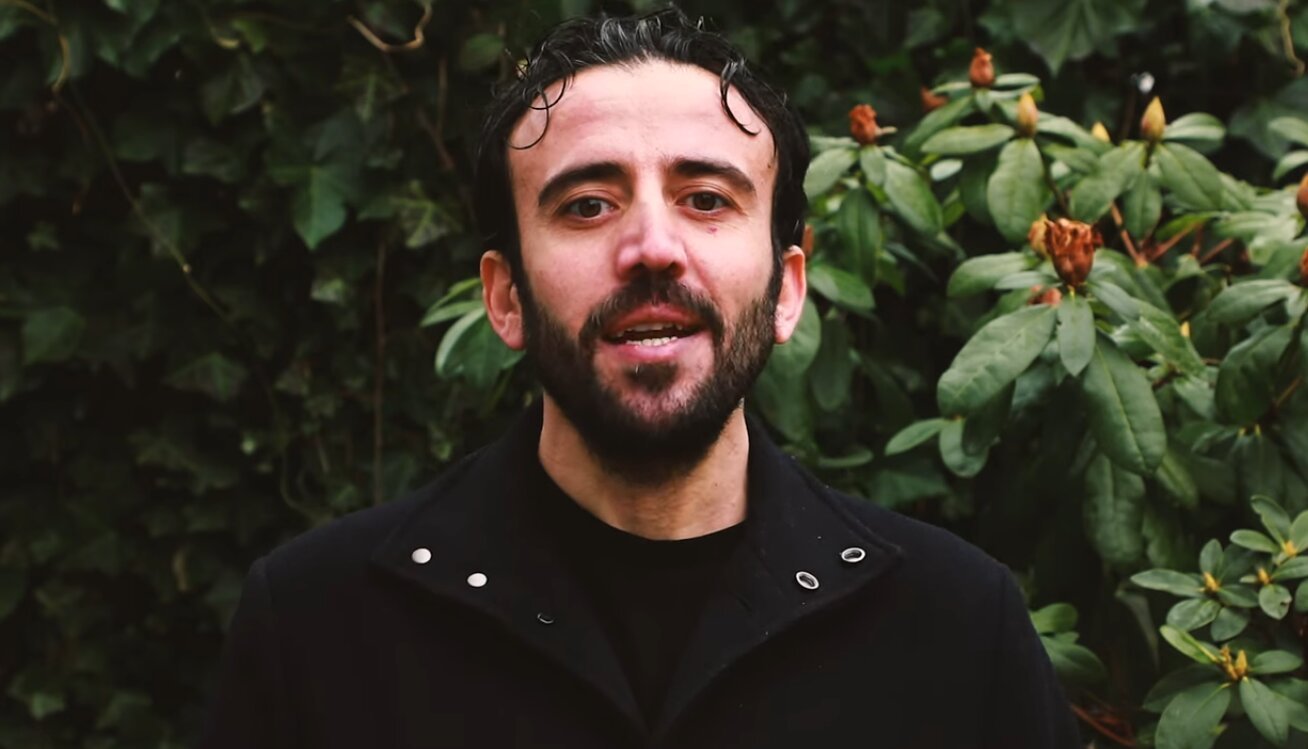
New York City Mayor Zohran Mamdani is trying to turn a series of local and congressional primary victories into a broader message for the Democratic Party: voters are looking for more than opposition to President Donald Trump.
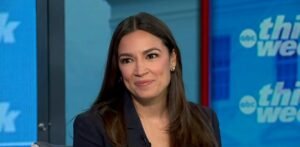
In a Sunday television interview, Mamdani said he and several progressive allies who recently won Democratic primaries are carrying a message that reaches beyond New York. He argued that the pressure facing working Americans — from rent and childcare costs to daily financial insecurity — is not a local issue, but a national one.
Mamdani described the movement around him as rooted in a “New Deal” understanding of politics, suggesting that government should be judged by whether it materially improves people’s lives. His comments came after candidates he endorsed won several Democratic nominations in New York, including congressional and state legislative races.
The results have intensified a debate inside the Democratic Party over its future direction. Progressive Democrats and democratic socialists argue that voters want bold action on affordability, housing, childcare and public services. More moderate Democrats warn that a leftward shift could hurt the party in competitive districts and give Republicans an easier target in the midterm elections.
TRENDING TODAY


Mamdani appeared to welcome the debate. Asked about criticism from Democrats who reject socialism and describe themselves as mainstream capitalists, he dismissed the idea that he is focused on ideological documents or slogans. He said his priority is governing and delivering results.
That is the central argument Mamdani is now trying to make nationally. He points to New York’s recent rent freeze for rent-stabilized apartments, expanded childcare efforts and basic city services as evidence that his political brand is not only ideological, but practical. Supporters say the rent freeze offers direct relief to tenants in one of the most expensive cities in the country. Critics, including some landlords and real estate voices, argue that freezing rents could create financial strain for building owners and discourage investment in housing.
For Democrats, the bigger question is whether Mamdani’s message can travel outside New York City. His supporters believe it can, because high costs are not limited to one city. Across the country, many voters are frustrated with housing prices, grocery bills, healthcare costs and the feeling that the economy is not working for ordinary families. Mamdani’s argument is that Democrats should speak directly to those pressures instead of relying mainly on anti-Trump messaging.
That point could create tension with party leaders. Some Democrats believe Trump remains the strongest unifying issue for their voters, especially given concerns about democracy, immigration, courts and executive power. But Mamdani suggested that opposing Trump is not enough. In his view, Democrats also need a positive economic agenda that explains what they will do for working people.
Moderate Democrats are likely to push back hard. They fear that labels such as “socialist,” “prison abolitionist” or “anti-police” could be used by Republicans in swing races. Some of Mamdani’s allies have already drawn scrutiny for views that are outside the Democratic mainstream. Mamdani, however, tried to shift the conversation back to public safety and results, saying New York is focused on delivering safer streets while addressing poverty and affordability.
The debate reflects a deeper problem for Democrats heading into the midterms. The party must energize younger and progressive voters without alienating suburban moderates, independents and working-class voters who may be skeptical of sweeping ideological change. Mamdani’s rise suggests that a growing part of the Democratic base wants the party to be more aggressive on economic policy. But it remains unclear how far that message can go in states and districts that are less progressive than New York City.
For ordinary people, the fight is not just about party labels. It is about whether government can reduce the cost of living, make housing more stable and improve basic services. Mamdani’s message may appeal to voters who feel both parties have failed to respond to those pressures. At the same time, opponents will argue that ambitious progressive policies can bring trade-offs, including higher public spending, pressure on businesses or unintended consequences in housing markets.
Mamdani’s growing influence now gives Democrats a strategic choice. They can treat his victories as a New York-specific political moment, or they can see them as a warning that affordability and economic frustration are reshaping the party’s base.
Why It Matters
Mamdani’s comments show a widening split inside the Democratic Party over how to win future elections. Progressives want the party to focus more directly on affordability and government action, while moderates worry that democratic socialist messaging could hurt Democrats in competitive races.
What Comes Next
Expect Republicans to use Mamdani and his allies as examples of what they describe as the Democratic Party moving left. Democrats, meanwhile, will have to decide whether to embrace parts of his economic message or distance themselves from it before the midterm elections.
Mamdani also faced questions over controversial positions linked to some progressive candidates he has supported, including criminal justice policy.
NYC Mayor Zohran Mamdani writes off the calls for abolishing prisons and open borders by up and coming Socialist candidates as just a “disagreement on policy positions” pic.twitter.com/y65l8V6irN
— America (@america) June 28, 2026