The United States and Iran exchanged new military strikes over the weekend, raising fresh concerns that a fragile ceasefire meant to pause the conflict and reopen the Strait of Hormuz could be moving toward collapse.
U.S. Central Command said American forces carried out additional strikes on Iranian military targets in response to what Washington described as continued Iranian aggression against commercial shipping. According to CENTCOM, the U.S. targeted Iranian surveillance infrastructure, communications systems, air defense sites, drone storage facilities and minelayer capabilities.
The strikes came after a tanker was reportedly hit in the Strait of Hormuz, one of the world’s most important energy shipping routes. The incident followed another reported attack on a cargo ship a day earlier, which the Trump administration blamed on Iran.
Iran’s Islamic Revolutionary Guard Corps responded by saying it had launched a missile and drone operation against U.S. military-related sites in Bahrain and Kuwait. Bahrain and Kuwait condemned the attacks, while a U.S. official said the situation was still developing and that there were no initial reports of U.S. casualties or major damage to American sites.
TRENDING TODAY

Both sides accused the other of violating the interim ceasefire agreement signed less than two weeks ago. That agreement was intended to halt direct hostilities, reopen shipping through the Strait of Hormuz and create space for talks over larger issues, including Iran’s nuclear program and regional security.
The latest exchange shows how unstable the ceasefire remains. While diplomats have been working on a memorandum of understanding aimed at ending the broader conflict, military incidents at sea are threatening to overtake the negotiation process.
The Strait of Hormuz remains the center of the crisis. A significant share of the world’s oil and liquefied natural gas moves through the narrow waterway between Iran and Oman. Any attack on tankers or cargo ships can immediately raise concerns about energy prices, shipping insurance and global supply chains.
For ordinary consumers, the risk is not abstract. If shipping through Hormuz becomes more dangerous or expensive, oil prices can rise quickly. That can eventually affect gasoline prices, airline costs, food transportation and business expenses far from the Middle East.
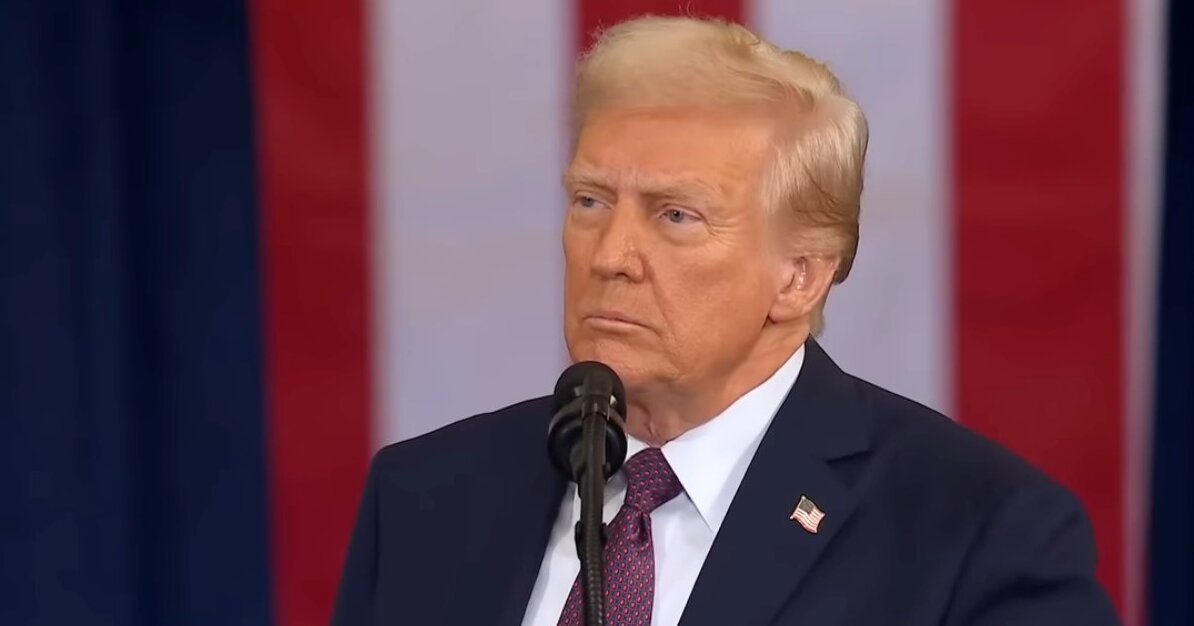
President Donald Trump warned after the latest strikes that the U.S. may eventually be forced to “complete the job” militarily if Iran continues its actions. His statement signaled that the White House is willing to escalate if it believes Tehran is using the ceasefire to regroup or pressure shipping lanes.
Iran, meanwhile, warned that further attacks could end the diplomatic process. The IRGC said any additional aggression would be met with a stronger response and suggested the ceasefire would become meaningless if Washington continued military operations.
The dispute is also politically sensitive for the Trump administration. The White House has argued that military pressure has weakened Iran and improved America’s negotiating position. But critics say continued strikes show that the ceasefire is failing and that the U.S. may be drifting toward a wider regional war.
Vice President JD Vance has said the U.S. holds a strong hand in negotiations because Iran’s nuclear program has been severely damaged. However, the unresolved status of Iran’s enriched uranium stockpile and the repeated attacks around Hormuz remain major obstacles to any durable agreement.
The Gulf states are also being pulled deeper into the crisis. Bahrain and Kuwait host U.S. military facilities and are important security partners for Washington. Iranian attacks or attempted attacks on sites in those countries raise the risk that more regional governments could be drawn into the confrontation.
The ceasefire agreement was supposed to reduce that risk. Instead, both sides are now using the language of self-defense while accusing the other of breaking the deal first. That makes it harder for mediators to keep talks alive and easier for each new incident to trigger retaliation.
The immediate question is whether Washington and Tehran can stop the cycle before it becomes a broader war. A tanker strike, a drone attack or a miscalculated military response could quickly create pressure for escalation, especially if casualties occur.
For now, the ceasefire technically remains part of the diplomatic framework, but its future is uncertain. The latest strikes show that the U.S. and Iran are still far from a stable agreement, and that the Strait of Hormuz remains the most dangerous flashpoint in the conflict.
Why It Matters
The U.S.-Iran strike exchange could affect global oil prices, shipping routes and the risk of a wider Middle East war. For voters and taxpayers, the issue raises questions about how far the U.S. should go militarily to protect shipping and enforce a ceasefire. For businesses and consumers, instability in the Strait of Hormuz can translate into higher energy and transportation costs.
What Comes Next
Diplomats will try to keep the ceasefire framework alive while both sides assess the latest military exchange. The key issues will be whether Iran continues targeting shipping, whether the U.S. launches more strikes, and whether Gulf states face further attacks. If the violence continues, the memorandum of understanding could collapse before a final deal is reached.
A separate report highlighted messaging allegedly displayed on Iranian weapons during the latest exchange, underscoring the propaganda dimension of the conflict.
🇮🇷🇺🇸 Iran wasn’t holding back when it launched drones and missiles in retaliation for U.S strikes near the Strait of Hormuz
In typical fashion, they stuck messages on the missiles, one reading:
“The only success of Trump is the increased income of American coffin makers and…
— Mario Nawfal (@MarioNawfal) June 28, 2026