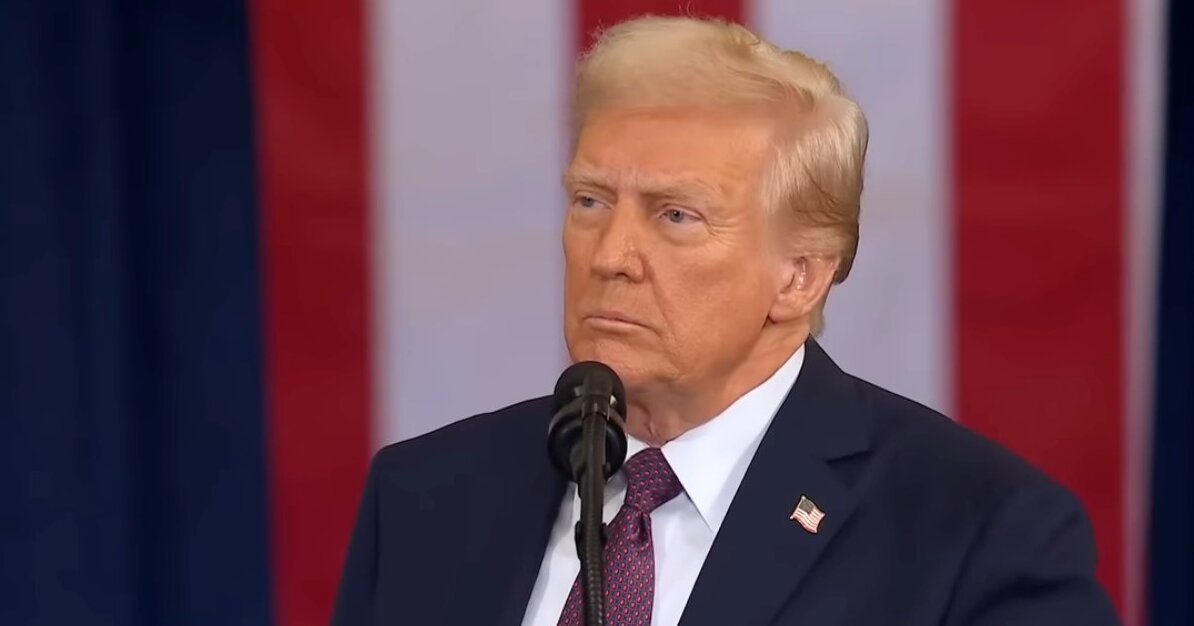
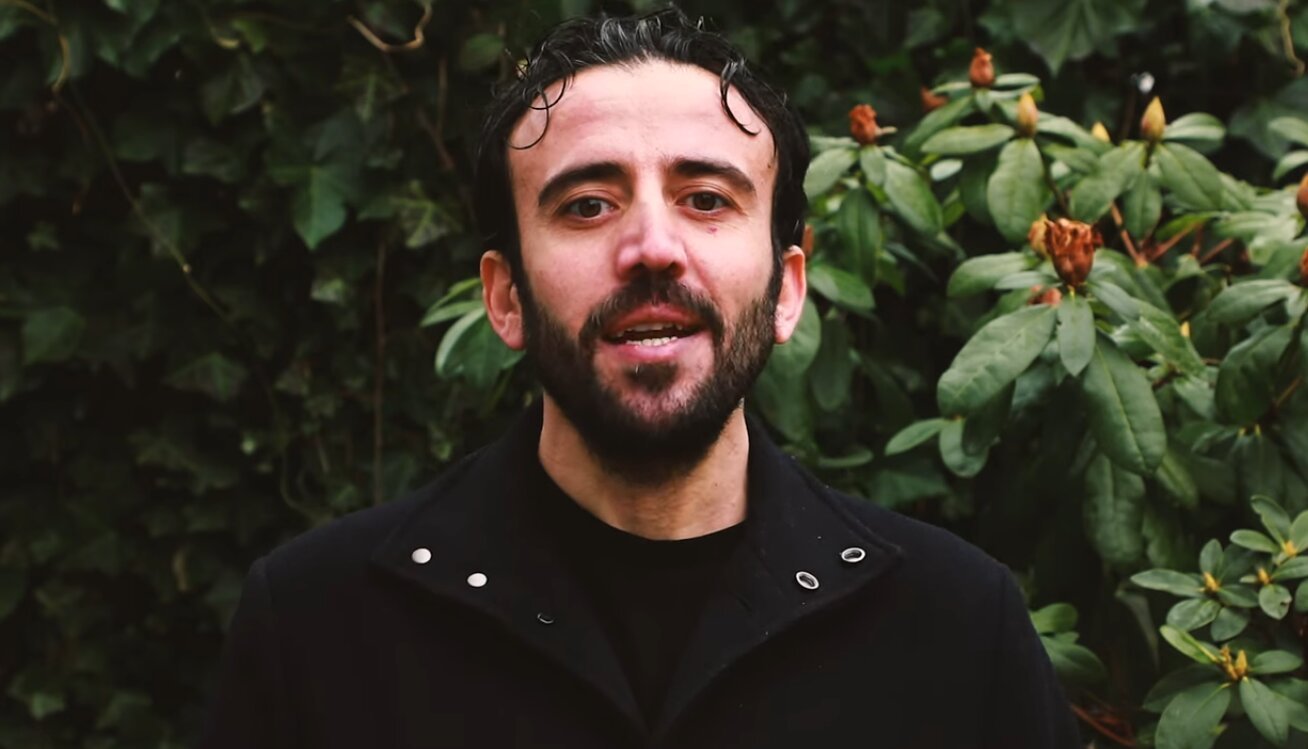
President Donald Trump said Saturday that he will nominate Lance Schroyer, a former Oklahoma state trooper and U.S. Marine, to become the next director of U.S. Immigration and Customs Enforcement.
The nomination would place Schroyer at the center of one of the Trump administration’s most aggressive policy priorities: expanding immigration arrests, detentions and deportations. If confirmed by the Senate, Schroyer would become the first Senate-confirmed ICE director in years, after a long period in which the agency has been led by acting officials.
Trump announced the decision in a social media post, calling Schroyer a “patriot” and pointing to his nearly three decades of law enforcement experience in Oklahoma. The president also highlighted Schroyer’s background in operations connected to the 287(g) program, a partnership that allows state and local law enforcement agencies to carry out certain federal immigration enforcement duties under ICE supervision.
The choice signals that Trump wants an ICE leader with field experience and a background in local-federal enforcement cooperation. Homeland Security officials have praised Schroyer as someone who has worked directly on operations aimed at identifying and removing people in the country unlawfully.
TRENDING TODAY

The nomination comes at a politically charged moment for ICE. The agency has been central to Trump’s immigration crackdown, which the administration says is necessary to improve public safety, enforce immigration law and remove people with criminal records. Trump has repeatedly argued that his administration is carrying out immigration arrests at a record pace.
Immigrant-rights groups and civil-liberties advocates have raised serious concerns about the administration’s enforcement approach. They argue that expanded detention, aggressive raids and local-police partnerships can lead to racial profiling, family separation and fear in immigrant communities. Some critics also say the government’s rhetoric often blurs the line between people accused of crimes and broader undocumented populations.
The 287(g) program is likely to receive renewed attention during Schroyer’s confirmation process. Supporters say the program helps local communities cooperate with federal authorities and remove dangerous individuals. Opponents argue it can damage trust between immigrant communities and local police, making victims and witnesses less likely to report crimes.
That debate could become central to Senate hearings. Lawmakers are expected to question Schroyer about how he would manage ICE operations, detention standards, cooperation with local law enforcement and civil-rights protections. Democrats may also ask about allegations of excessive force, detention conditions and the agency’s handling of people with pending legal claims.
ICE has not had a Senate-confirmed director since early 2017, leaving a series of acting officials to run the agency. Supporters of Schroyer’s nomination may argue that the agency needs confirmed leadership at a time of expanded enforcement. Critics may respond that the Senate should carefully examine the administration’s policies before approving a permanent director.
For states and local governments, the nomination could have practical consequences. If Schroyer expands partnerships like 287(g), more counties and state agencies may seek agreements with ICE, especially in Republican-led states. That could increase the number of immigration arrests connected to local jails, traffic stops or state-level operations.
For immigrant families, the impact could be immediate. A more aggressive ICE leadership strategy may increase the risk of detention for people who have lived in the United States for years, including those with mixed-status families or pending immigration cases. Employers, schools, churches and local service providers may also feel the effects if enforcement activity intensifies.
The business community may watch the nomination as well. Industries that rely heavily on immigrant labor, including agriculture, construction, hospitality and food processing, could face workforce uncertainty if enforcement expands. Supporters of the administration’s approach argue that stronger enforcement protects wages and the rule of law. Critics warn it could disrupt local economies and push vulnerable workers further underground.
Schroyer’s confirmation is not guaranteed, but Trump and Homeland Security officials are urging the Senate to move quickly. Immigration is expected to remain one of the defining issues of Trump’s second term, and ICE leadership will play a major role in how those policies are carried out on the ground.
The nomination is also a political signal. By choosing a law enforcement figure tied to Oklahoma and local enforcement partnerships, Trump is reinforcing his message that immigration policy should be driven by detention, deportation and cooperation between federal and local authorities.
Why It Matters
The ICE director oversees one of the most powerful immigration enforcement agencies in the federal government. Schroyer’s nomination could shape how aggressively the administration expands arrests, detention and deportations. For immigrant families, local police departments, businesses and state governments, the leadership change could influence daily enforcement practices and the future of ICE partnerships across the country.
What Comes Next
Schroyer’s nomination will go to the Senate, where lawmakers are expected to review his law enforcement record and approach to immigration enforcement. If confirmed, he would take over ICE during a period of intense political debate over deportations, detention conditions, local-police partnerships and civil liberties.
Trump and DHS officials framed Schroyer’s nomination as part of the administration’s broader immigration enforcement agenda.
President Trump has nominated Lance Schroyer to serve as the ICE Director.
With over 29 years of law enforcement experience, Lance will play a vital role in helping deliver on the President’s mandate from the American people to target, arrest, and deport illegal aliens.
Lance… pic.twitter.com/7iludSAakr
— Secretary Markwayne Mullin (@SecMullinDHS) June 27, 2026
Trump says he is nominating former Oklahoma state trooper Lance Schroyer as ICE director https://t.co/aSZOMW3Epp
— CNBC (@CNBC) June 27, 2026