A federal appeals court has rejected the Trump administration’s attempt to abandon a Biden-era air pollution rule that tightened national limits on fine particle pollution, often known as soot.
The unanimous decision by a three-judge panel of the U.S. Court of Appeals for the District of Columbia Circuit leaves the 2024 standard in place for now. The rule lowered the annual limit for fine particle pollution from 12 micrograms per cubic meter of air to 9 micrograms, a change aimed at reducing pollution linked to coal-fired power plants, factories, vehicles and other industrial sources.
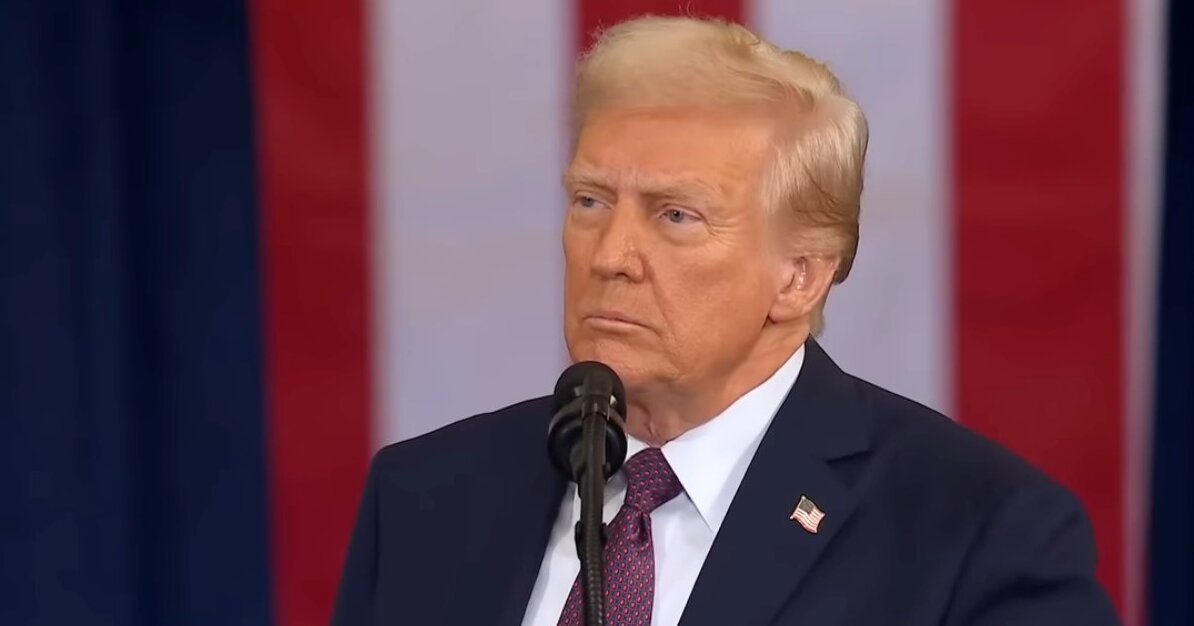
The ruling is a setback for the Trump administration’s broader deregulatory agenda and its push to support coal and heavy industry. The Environmental Protection Agency under Trump had asked the court to invalidate the rule, arguing that the Biden-era EPA exceeded its authority and acted unreasonably by not giving enough weight to costs for businesses and affected communities.
The court rejected that argument. In the panel’s decision, Judge Douglas Ginsburg wrote that the administration’s claims lacked merit, meaning the stricter standard remains legally active while states and counties work toward compliance.
TRENDING TODAY

Fine particle pollution is especially dangerous because tiny particles can enter deep into the lungs and bloodstream. Public health experts have linked exposure to increased risks of asthma attacks, heart disease, lung disease, hospital visits and premature death. The Biden administration had argued that the stricter standard would prevent thousands of deaths and hundreds of thousands of asthma-related symptoms.
Business groups and Republican-led states opposed the rule, saying the lower pollution limit could raise costs for manufacturers, utilities and families. A lawsuit led by Kentucky and West Virginia officials argued that the standard could make it harder to build new manufacturing plants or keep some industrial operations affordable.
Supporters of the rule say those cost arguments ignore the health burden placed on communities living near power plants, factories, highways and other pollution sources. Environmental groups welcomed the court’s decision and said the EPA should move forward with enforcing the Clean Air Act rather than delaying public health protections.
The dispute reflects a larger fight over how the federal government balances economic costs against health protections. Industry groups often argue that stricter environmental rules can increase costs, slow investment and make American businesses less competitive. Public health advocates argue that weaker standards shift costs onto families, hospitals and taxpayers through higher rates of illness, missed work and medical treatment.
For ordinary people, the issue is not abstract. Soot pollution can worsen breathing problems, especially for children, older adults and people with asthma or heart conditions. Communities near coal plants, factories and major transportation corridors often face higher exposure. If air quality improves, those communities may see fewer emergency-room visits, fewer missed school days and better long-term health outcomes.
The court’s decision also matters for states and local governments. The EPA standard sets the level of pollution that areas must eventually meet. If counties fail to meet the standard, they may have to develop plans to reduce emissions from power plants, industrial sites, transportation sources or other contributors.
The Trump EPA said it was reviewing the ruling. The administration could still look for other ways to slow implementation, revise related rules or appeal further. However, for now, the stricter soot standard remains in place.
The case is also likely to become part of the wider political debate over environmental regulation. Trump and his allies have argued that cutting rules can lower costs and support energy production. Democrats and environmental groups argue that clean-air rules save lives and reduce healthcare costs.
The ruling shows that even when an administration changes, existing environmental standards cannot always be easily reversed. Agencies must justify their decisions under the law, and courts can reject attempts to undo rules if they find the legal reasoning weak.
For communities affected by air pollution, the decision keeps one of the Biden administration’s major clean-air protections alive. For coal, manufacturing and industrial groups, it keeps pressure on companies and states to prepare for stricter pollution requirements in the years ahead.
Why It Matters
The ruling affects public health, energy policy and business costs. Stronger soot limits could reduce asthma attacks, hospital visits and premature deaths, especially in communities near power plants and factories. But industries and some states argue the rule could raise compliance costs and complicate new development. The decision also limits the Trump administration’s ability to quickly reverse Biden-era environmental rules without strong legal justification.
What Comes Next
The EPA will review the court’s decision while the 2024 soot standard remains in effect. States and counties will continue preparing plans to meet the stricter air-quality limit. Industry groups and Republican-led states may keep challenging the rule, while environmental organizations are likely to push the EPA to move faster on enforcement.
A federal appeals court rejected the EPA’s attempt to roll back the 2024 soot pollution standard, keeping the stricter air-quality rule in place for now.
In a blow to the Trump administration’s deregulatory agenda, a federal appeals court on Friday rejected the EPA’s attempt to roll back soot pollution standards set in 2024 https://t.co/9Z4od1g50n
— Bloomberg (@business) June 26, 2026