Colombians are voting in a presidential runoff that could dramatically change how the country handles its decades-long conflict with armed groups, criminal networks and former guerrilla factions.
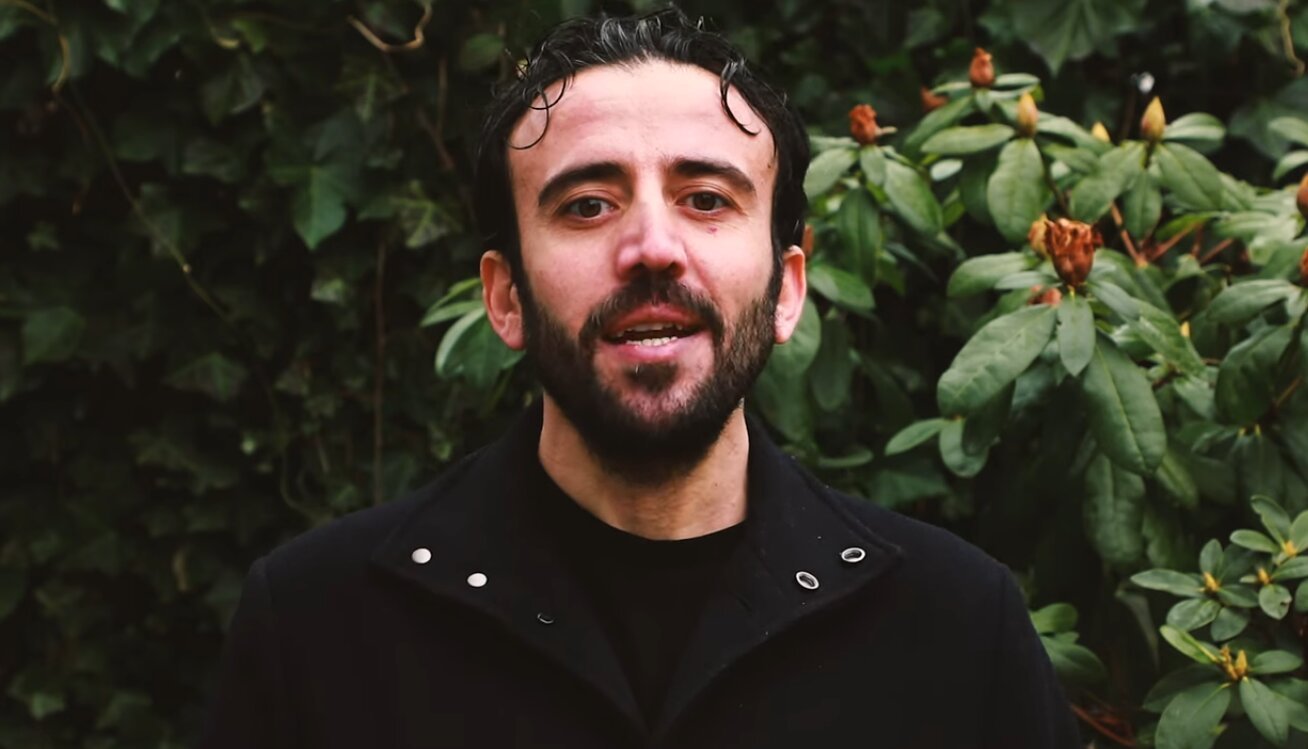
The race pits far-right lawyer and businessman Abelardo de la Espriella against left-wing senator Iván Cepeda, two candidates offering sharply different answers to Colombia’s worsening security crisis. Polls have shown De la Espriella with an advantage heading into the vote, while Cepeda is trying to defend the peace-focused approach associated with outgoing President Gustavo Petro.
At the center of the election is Petro’s “total peace” policy, which sought to negotiate with armed groups and criminal organizations in an effort to reduce violence and bring fighters into legal life. Supporters say the strategy was necessary because Colombia’s conflict cannot be solved by military force alone. Critics argue it allowed armed groups to expand, regroup and pressure communities while talks dragged on.
De la Espriella has promised a sharp break from that model. He has vowed to restore state control in areas dominated by criminal groups and has promised a tougher security strategy focused on capturing or killing major armed leaders. His campaign has appealed to voters frustrated by rising violence, extortion, kidnappings and the perception that the state has lost control in parts of the country.
TRENDING TODAY

Cepeda argues that abandoning negotiations would risk returning Colombia to full-scale war. He supports continuing the peace framework, while acknowledging that it needs changes. His campaign has warned that a purely military approach could deepen violence, put civilians at greater risk and undermine the unfinished legacy of the 2016 peace agreement with the Farc.
The 2016 accord disarmed much of the Revolutionary Armed Forces of Colombia, once the country’s largest rebel group. But the years since have brought new challenges. Dissident Farc factions, the ELN, drug-trafficking groups and other armed organizations have moved into contested territories. Violence remains far below the levels seen before the peace deal, but the past year has been described as one of the most violent since the accord was signed.
That insecurity has helped De la Espriella build momentum. Like other right-wing candidates in Latin America, he has presented himself as an outsider who can deliver order quickly. His supporters see him as a strong alternative to what they view as failed left-wing governance. His critics say his hardline message risks simplifying a conflict rooted in poverty, land disputes, drug trafficking and weak state presence.
The election also reflects a wider regional shift. Conservative and far-right candidates have gained ground across parts of Latin America by promising tougher crime policies and attacking traditional political elites. A De la Espriella victory would add Colombia to that trend and weaken the region’s left-wing bloc.
Cepeda’s base is different. He has drawn support from voters who want to protect social programs expanded under Petro and who believe Colombia must continue seeking negotiated solutions. Supporters also argue that peace policy should be repaired, not abandoned, because communities in conflict zones often suffer most when the state returns only through military operations.
The runoff is therefore not just a choice between two candidates. It is a referendum on how Colombians want to confront violence: through negotiations, social investment and reform, or through a more forceful security campaign.
Whichever candidate wins will face a difficult reality. Armed groups control money, territory and routes tied to illegal economies. Restoring security will require more than campaign slogans. It will require state presence, credible justice, protection for civilians and a strategy that can survive beyond the first months of a new administration.
Why It Matters
Colombia’s election matters because it could decide the future of the country’s peace process. A De la Espriella win could mark a return to hardline military confrontation, while a Cepeda victory would keep negotiation at the center of security policy, though with pressure to show better results.
What Comes Next
After the runoff, the next president will need to define policy toward armed groups, drug trafficking networks and conflict-affected regions. If De la Espriella wins, Colombia may move quickly toward a tougher military strategy. If Cepeda wins, the challenge will be proving that “total peace” can be repaired and made effective.