Pope Leo XIV used a visit honoring St. Frances Xavier Cabrini, the first American saint and the Catholic patron saint of migrants, to renew one of the clearest themes of his young papacy: the church’s responsibility to defend the dignity of people on the move.
The pope traveled Saturday to Sant’Angelo Lodigiano, the northern Italian town where Cabrini was born, and prayed at a site connected to her life and mission. During an evening prayer service, Leo urged Catholics, especially young people, to study Cabrini’s example and remember her work with migrants who left their homelands in search of safety, opportunity and stability.
Cabrini, an Italian-born nun who became a naturalized U.S. citizen, spent much of her ministry serving Italian immigrants in the United States. She founded schools, hospitals and orphanages and died in Chicago in 1917. The Catholic Church later recognized her as the first U.S. citizen to be canonized as a saint.
For Leo, the visit carried clear modern meaning. Migration has become one of the defining issues of his public ministry, placing him in continuity with Pope Francis, who repeatedly called on governments to welcome and protect migrants. Leo directly connected Cabrini’s legacy to today’s debates, asking what her missionary spirit would say to the church now.
TRENDING TODAY


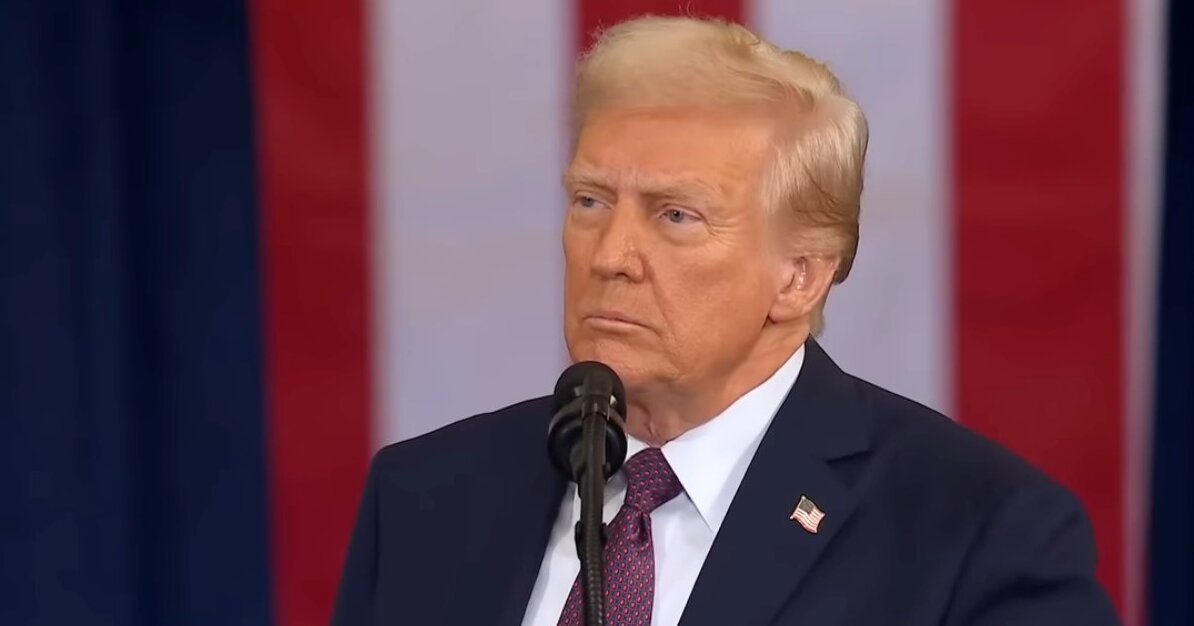
The remarks come during a period of public tension between the Vatican and President Donald Trump’s administration over immigration policy. Trump has defended stricter enforcement and border measures, while Leo has framed care for migrants as a matter of Catholic teaching, human dignity and moral responsibility.
Leo has rejected the idea that his migration message is simply partisan politics. His supporters argue that he is applying long-standing Catholic principles about the poor, the displaced and the vulnerable. Critics, however, say his repeated comments on migration put the Vatican too close to political fights over national borders and enforcement.
The pope’s recent travel schedule shows that the issue is not fading. Last week, Leo visited Spain’s Canary Islands, a major arrival point for migrants leaving West Africa, where he called for safer legal pathways and urged leaders not to reduce migrants to statistics. His next highly symbolic stop is expected to be Lampedusa on July 4.
Lampedusa, an Italian island between North Africa and Sicily, has become one of Europe’s most visible migration flashpoints. Thousands of migrants have attempted dangerous sea crossings to reach it. The island also holds special significance in recent Catholic history because it was Pope Francis’ first trip outside Rome after becoming pope in 2013.
For an American-born pope, visiting Lampedusa on U.S. Independence Day is likely to draw attention in Washington. The Vatican has described the trip in pastoral terms, but the symbolism is difficult to miss at a time when immigration remains one of the most divisive issues in American politics.
Saturday’s Cabrini visit also allowed Leo to frame the migration debate through a saint deeply tied to both Italy and the United States. Cabrini’s life story connects the experience of European immigrants in America with today’s global migration pressures. That connection may be one reason Leo chose her legacy as a way to speak to Catholics on both sides of the Atlantic.
The message was not a policy proposal. Leo did not lay out border rules or immigration legislation. Instead, he used Cabrini’s example to ask Catholics to see migrants first as people, not as threats or political symbols.
That moral framing is likely to keep shaping his relationship with world leaders, including Trump. As migration pressures continue across Europe and the Americas, Leo appears determined to make the issue central to how his papacy is understood.
Why It Matters
Leo’s Cabrini visit matters because it shows how strongly migration is becoming tied to his papal identity. By honoring the first American saint, who served immigrants, the pope connected Catholic history with one of today’s most divisive political issues.
What Comes Next
Leo’s July 4 visit to Lampedusa will likely bring even more attention to his migration message. The trip may deepen debate over whether the Vatican is offering a moral reminder or stepping directly into political conflict with governments pursuing tougher immigration enforcement.
A Catholic News Service video showed Pope Leo XIV meeting migrants during his Canary Islands visit, part of his broader focus on migration.
Pope Leo XIV became the first pope to visit the Canary Islands, the final leg of his apostolic journey to Spain, June 11–12, 2026. He met with migrants and condemned those who traffic and exploit people crossing the Atlantic. https://t.co/P6muhueUIc
(CNS photo/Lola Gomez) pic.twitter.com/FPlMb5OvbS— Catholic News Service (@CatholicNewsSvc) June 20, 2026