The Lincoln Memorial Reflecting Pool has become an unlikely symbol of a larger debate over presidential power, public spending and the risks of overpromising.
After a costly renovation meant to improve the famous Washington, D.C. landmark, the pool again showed signs of algae, renewing criticism of the Trump administration’s handling of a project that was promoted as a quick and visible fix. The issue may seem small compared with war, diplomacy or the economy, but it has drawn attention because of what critics say it represents: a government style built around bold claims, rapid declarations of victory and limited patience for inconvenient details.
The Trump administration spent more than $14 million on work involving the Lincoln Memorial Reflecting Pool, a landmark long known for leaks and recurring algae problems. The pool, which stretches in front of the Lincoln Memorial, has been one of the most recognizable sites in the United States for more than a century. It is also historically significant as the setting for major national moments, including Martin Luther King Jr.’s “I Have a Dream” speech.
The renovation reportedly included efforts to address algae using hydrogen peroxide and nanobubble technology. The pool was also given a bright blue appearance that officials promoted as part of a cleaner, more polished National Mall ahead of major anniversary events.
TRENDING TODAY


But within days of the work being completed, reports and images showed algae returning to the water. The National Park Service and Interior Department said cleanup work was continuing, including efforts to remove dead algae from the bottom of the pool. Still, the return of green water quickly became a political story.
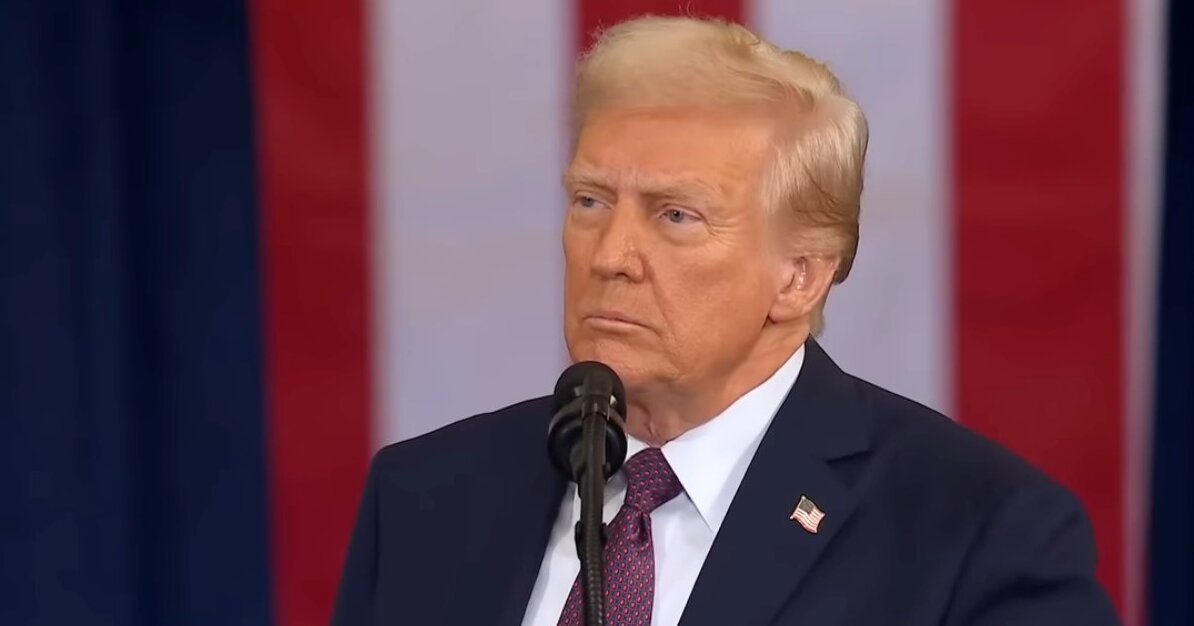
For critics, the episode fits a broader pattern. Trump had previously suggested that his experience with pools and construction would help solve the Reflecting Pool’s problems quickly. Yet the landmark is not a private swimming pool. It is a large, exposed public water feature affected by weather, sunlight, infrastructure issues and decades of maintenance challenges.
That difference matters. Public projects often require technical planning, long-term maintenance and realistic expectations. When leaders frame complex problems as simple fixes, failure becomes more visible.
The Reflecting Pool controversy also arrived during a week when Trump faced scrutiny over his comments on presidential power. In an interview discussing the Iran conflict, Trump said there were “no limits” to his power, a statement that alarmed critics who already accuse him of stretching executive authority.
Supporters may dismiss the pool debate as a minor distraction or another example of media overreaction. They may argue that algae has affected the Reflecting Pool for many years and that the administration is at least trying to improve a public landmark. That is a fair point: the problem did not begin with Trump.
But the political issue is not only whether algae returned. It is whether the administration oversold the fix and then declared success too quickly. That is why the Reflecting Pool story has gained symbolic weight. It reflects a wider question about how government communicates, spends public money and handles problems that cannot be solved by branding alone.
The comparison to foreign policy is not exact, but it is politically powerful. In both domestic projects and international crises, critics say Trump often favors dramatic language and public victory claims before the results are fully clear. The Iran deal, still facing questions over verification and enforcement, has prompted similar concerns from experts and lawmakers.
The Reflecting Pool will likely be cleaned, adjusted and maintained again, as it has been many times before. But the controversy shows how even a public works project can become part of a larger national argument over leadership style.
For a president who often presents himself as a builder and dealmaker, the green water in front of the Lincoln Memorial has become an uncomfortable reminder that some problems resist simple promises.
Why It Matters
The Reflecting Pool debate matters because it turns a local maintenance issue into a broader question about government competence and presidential messaging. Public trust can suffer when leaders promise quick fixes to complex problems and then declare victory before the results are clear.
What Comes Next
Federal officials are expected to continue maintenance work on the Reflecting Pool, while critics will likely keep using the episode as a symbol of political overconfidence. The larger question is whether the administration can show more discipline on bigger issues, including Iran diplomacy, executive power and public spending.