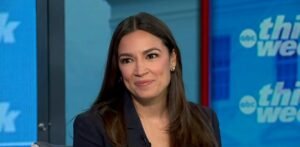
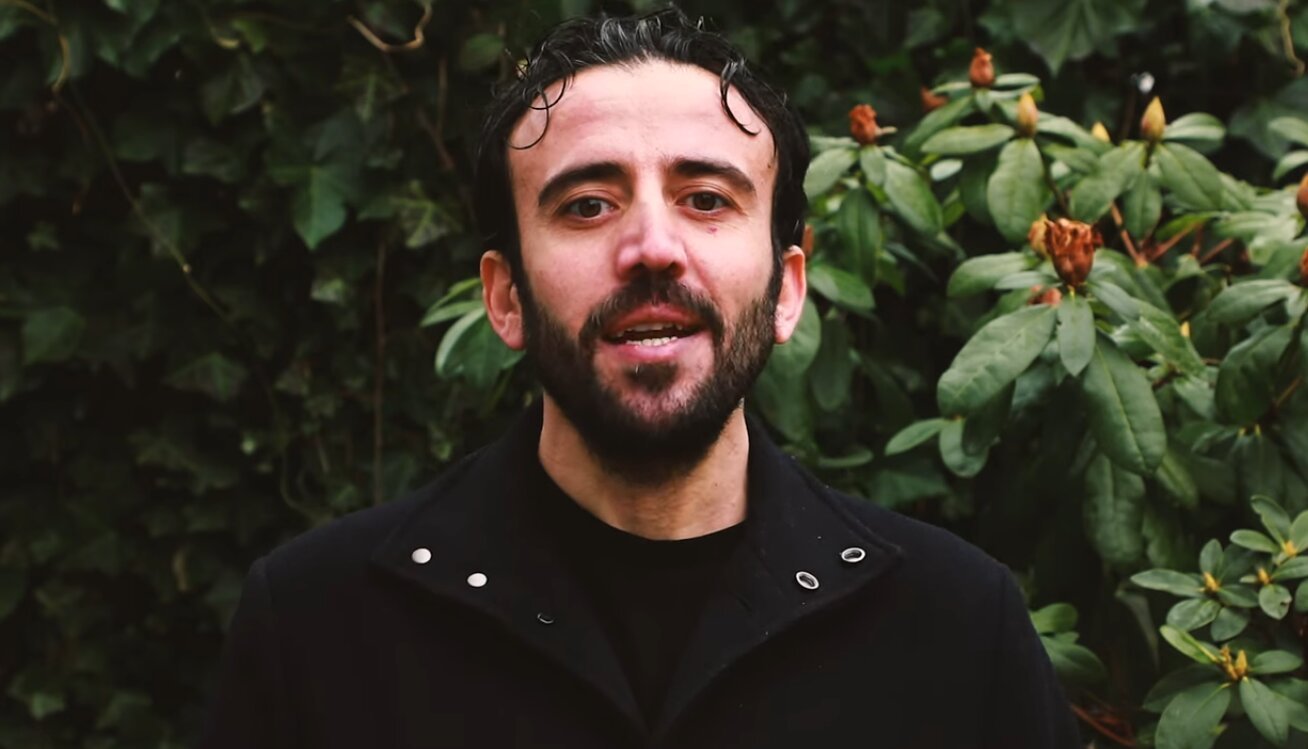
Washington, D.C. appears headed toward a major political shift after democratic socialist Councilmember Janeese Lewis George opened a wide lead in the Democratic primary for mayor, while Councilmember Robert White won the Democratic nomination to become the city’s next delegate to Congress.
As of early Wednesday, Lewis George had more than half of the vote in the mayoral primary, giving her a strong advantage over fellow Councilmember Kenyan McDuffie. No official final winner had been declared immediately after Tuesday’s balloting, but her lead placed her in a commanding position in a city where winning the Democratic primary usually makes a candidate the clear favorite in November.
The race marks the first mayoral transition in more than a decade. Mayor Muriel Bowser is not seeking another term, leaving voters to choose a new direction for the nation’s capital at a time of rising concern over affordability, public safety, schools, immigration enforcement and the city’s relationship with the Trump administration.
Lewis George campaigned on a progressive platform focused on lowering costs for residents. Her proposals included reducing utility bills, expanding childcare support, stabilizing rent and increasing help for first-time homebuyers. She has also promised to defend D.C. autonomy and push back against federal interference.
TRENDING TODAY

McDuffie, who was supported by much of the city’s business community, campaigned on public safety, economic development and affordable housing. He argued that D.C. needed experienced leadership able to work with a wide range of stakeholders, including Congress and the White House.
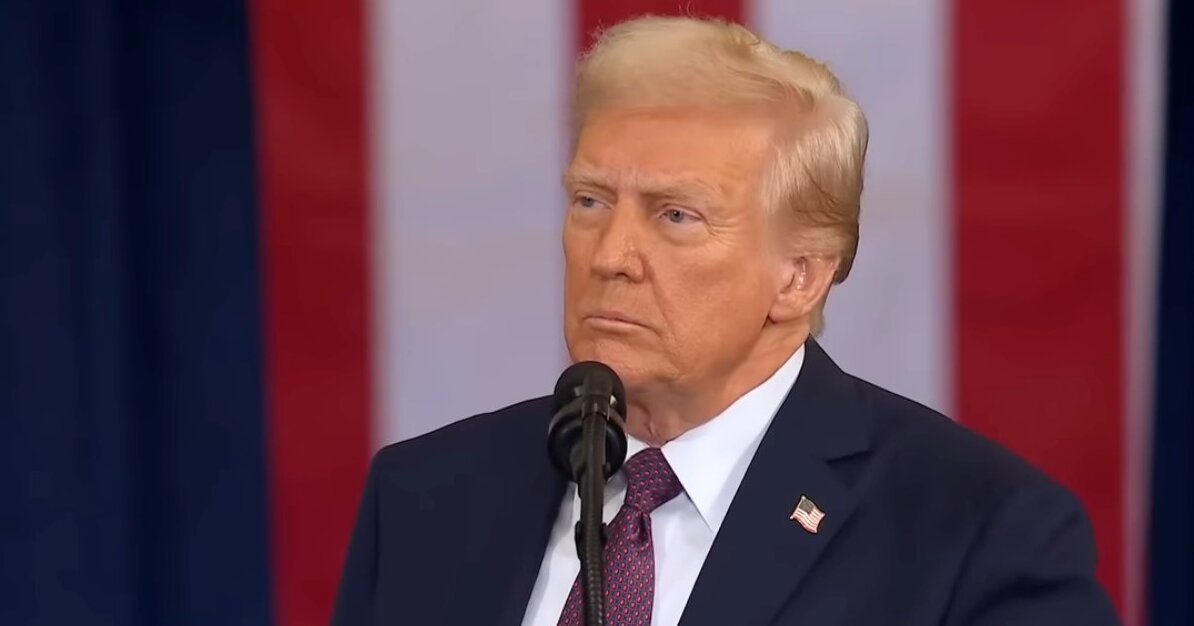
The campaign took place under the shadow of Trump’s comments about D.C. home rule. Trump had threatened federal intervention if Lewis George won, saying he would consider taking back control of Washington. Both leading candidates said they would defend local self-government, but Lewis George made resistance to federal pressure a central part of her campaign message.
The primary was also historic because it was the first major D.C. election to use ranked-choice voting. If a candidate stays above 50%, ranked-choice tabulation may not change the outcome. But the system still represents a major change in how District voters select candidates.
In the city’s other major race, Robert White won the Democratic nomination for D.C. delegate to Congress. He is expected to succeed Eleanor Holmes Norton, who is retiring after 35 years in the role. Norton’s departure marks the end of a major era in Washington politics.
The delegate role is unusual. D.C.’s representative can introduce legislation and vote in committees, but cannot cast final votes on the House floor. Still, the position is important because the delegate serves as the city’s main voice in Congress, especially on statehood, home rule, federal funding and oversight.
White’s victory gives D.C. a likely new congressional representative at a moment when the city faces heightened scrutiny from a Republican-led Congress and the Trump administration. He has promised to fight for statehood and protect local authority from federal interference.
Together, the mayoral and delegate results point toward a generational shift in D.C. politics. Bowser and Norton represented long-standing political institutions in the city. Lewis George and White, if both prevail in November, would take office during a period when Washington’s local priorities are colliding with national partisan battles.
For Lewis George, the challenge will be turning a progressive campaign message into citywide governance. She would inherit pressure over crime, schools, homelessness, housing costs and a downtown economy still trying to adjust after years of federal-worker and office-space changes.
For White, the challenge will be representing a city that lacks full voting power in Congress while also responding to a federal government that may be more willing to intervene in local decisions.
The results show that D.C. voters are ready for change. The question now is how that change will unfold in a city where local government is always shaped by national politics.
Why It Matters
The results matter because D.C. is preparing for its biggest leadership transition in years. A Lewis George victory would move the mayor’s office in a more progressive direction after Bowser’s pro-business style of governance.
Robert White’s delegate win is also significant because Eleanor Holmes Norton’s retirement ends a 35-year chapter in Congress. The next delegate will have to defend D.C.’s interests at a time when home rule and statehood remain under pressure.
What Comes Next
Election officials will continue finalizing results, including any ranked-choice tabulation if needed. Lewis George is expected to be heavily favored in November if her lead holds.
White will also enter the general election as the strong favorite in the heavily Democratic city. The next phase will focus on how D.C.’s likely new leaders prepare to deal with affordability, public safety and federal pressure from the Trump administration.
Janeese Lewis George referenced President Trump while speaking to supporters on election night after taking a wide lead in the D.C. mayoral primary.
Washington DC mayoral candidate Janeese Lewis George made a veiled reference to President Trump on election night, speaking to supporters.
Election latest: https://t.co/h07rh2RhX8 pic.twitter.com/kV9Hw9atJn— WUSA9 (@wusa9) June 17, 2026