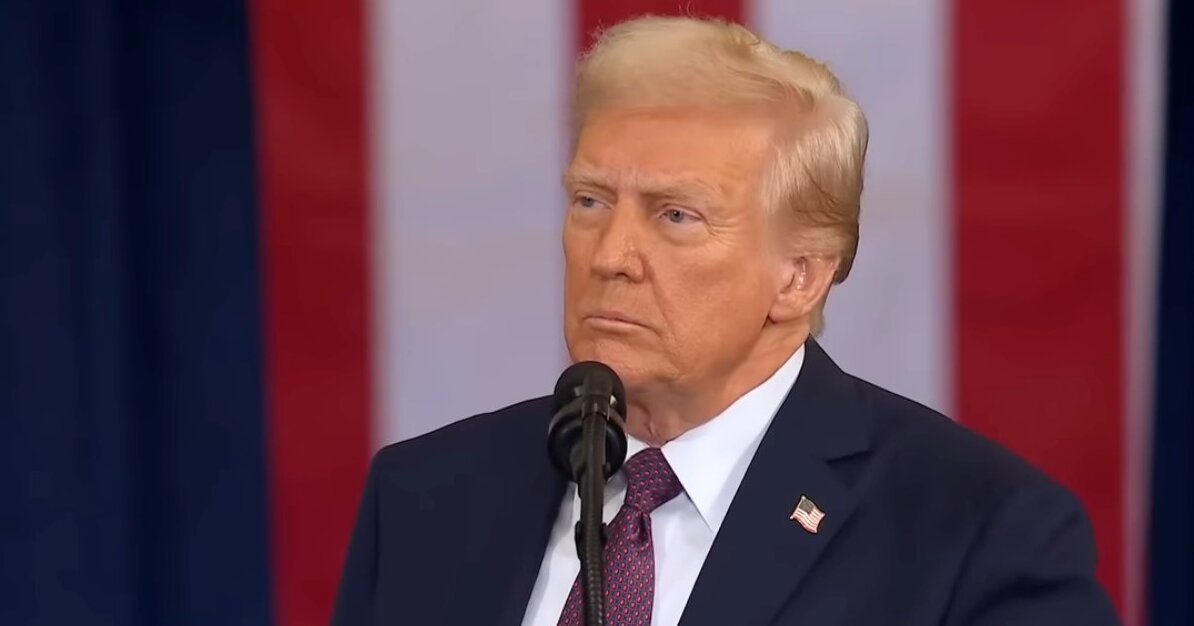
A new poll suggests that most American voters are not interested in turning foreign countries or territories into new U.S. states, even as President Donald Trump’s comments about places such as Greenland, Cuba, and Venezuela continue to draw attention.
The survey, conducted by Daily Mail and JL Partners, found broad resistance to the idea of expanding the United States through new statehood proposals involving foreign nations or territories. The results show that while Trump’s remarks may generate headlines and political debate, the broader public remains skeptical of dramatic territorial expansion.
Venezuela faced the strongest opposition in the poll. A majority of voters said they opposed the idea of making Venezuela the 51st state, with support remaining limited even among Republicans. That result is especially notable because Venezuela has been one of the foreign policy areas where Trump has taken a more aggressive posture toward the government of Nicolás Maduro.
Greenland performed somewhat better among Republican voters, but it still failed to win majority support overall. Trump has argued for years that Greenland holds major strategic value because of its Arctic location, natural resources, and importance to U.S. national security. However, Denmark and Greenlandic leaders have repeatedly rejected the idea that the territory could be transferred to American control.
TRENDING TODAY

Cuba also received weak public support as a possible statehood target. According to the poll, most voters opposed the idea, suggesting that Americans may separate tough foreign policy toward authoritarian governments from the much larger idea of absorbing those countries into the United States.
The results point to a clear political divide between Trump’s expansionist rhetoric and the public’s appetite for such proposals. Supporters of the president often argue that his comments are strategic, humorous, or meant to create negotiating leverage. Critics argue that the remarks create diplomatic problems and make U.S. foreign policy look unpredictable.
Greenland has become the most visible example of this debate. Trump has repeatedly framed the island as important for American security, particularly as Russia and China seek influence in the Arctic. But polling has shown that Americans are wary of acquiring Greenland, especially if it involves pressure on Denmark or the local population.
The broader pattern is that voters may support a strong U.S. role abroad, but they are much less enthusiastic about expanding the country’s borders. Statehood for foreign territories would raise major questions about citizenship, defense obligations, economic costs, diplomacy, and whether the people living there even want to join the United States.
The poll also arrives during a period of heightened debate over Trump’s foreign policy style. His approach often mixes military pressure, economic leverage, and provocative public statements. That strategy can energize supporters, but this survey suggests it has limits when it comes to reshaping the map.
For now, the idea of adding Venezuela, Cuba, or Greenland to the United States remains politically unpopular. The public may be open to stronger security partnerships or tougher foreign policy, but full statehood appears to be a step most Americans are not ready to support.
Why It Matters
The poll matters because it shows a gap between high-profile political rhetoric and what voters actually want.
Trump’s comments about Greenland, Venezuela, Cuba, and even Canada have kept the issue of U.S. expansion in the news. But the survey suggests that most Americans are not interested in turning foreign countries into new states, especially when the move could create diplomatic conflict or require major financial and military commitments.
It also matters internationally. When U.S. leaders discuss acquiring foreign territory, allies and adversaries listen closely. Even if the comments are meant as negotiating tactics, they can create tension with countries such as Denmark and raise concerns about America’s respect for sovereignty.
What Comes Next
Trump is likely to continue using bold foreign policy language, especially when discussing strategic regions such as the Arctic or Latin America. However, the poll suggests that any serious attempt to pursue statehood or annexation would face major resistance from the American public.
The more realistic path may be increased military access, economic deals, security partnerships, or diplomatic pressure rather than formal expansion. Greenland, Cuba, and Venezuela will likely remain part of Trump’s foreign policy messaging, but voters appear far from ready to support adding them to the United States.
Daily Mail reported that Americans are largely rejecting Trump’s proposed 51st-state expansion ideas involving places such as Greenland, Venezuela, and Cuba.
Trump’s 51st state expansion plans hit with brutal reception by Americans https://t.co/RC4336Zn2Q
— Daily Mail (@DailyMail) May 30, 2026