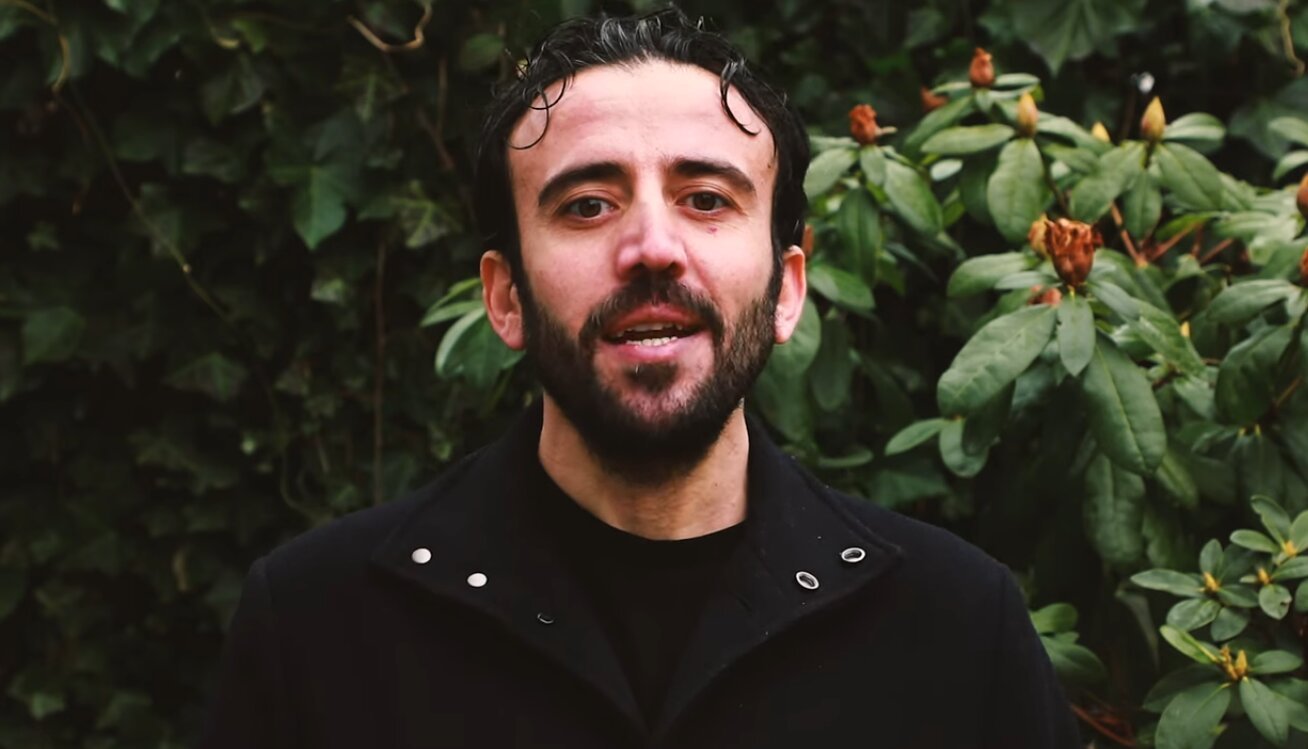
U.S. authorities arrested Adys Lastres Morera, the sister of a powerful Cuban official tied to GAESA, the military-run business conglomerate that controls major parts of Cuba’s economy.
Secretary of State Marco Rubio said Morera was taken into ICE custody after the State Department revoked her lawful permanent resident status.
Morera, a Cuban national who entered the United States as a lawful permanent resident in 2023, had been living in Florida and reportedly managing real estate assets.
Rubio said her status was terminated because of alleged ties to the communist regime in Havana.
TRENDING TODAY
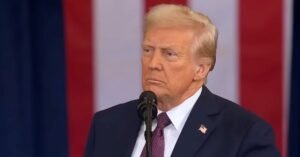
“Today, Adys Lastres Morera, a Cuban national with ties to the communist regime in Havana, was arrested following the Department of State’s termination of her lawful permanent resident status, at my direction,” Rubio said.
Morera is the older sister of Ania Guillermina Lastres Morera, who was sanctioned earlier this month for her role as executive president of GAESA.
GAESA is one of the most powerful entities in Cuba and controls a large network of military-linked businesses, including operations connected to tourism, finance, retail and overseas assets.
U.S. officials have accused GAESA of diverting resources away from ordinary Cubans and helping regime elites preserve wealth while the Cuban population faces worsening shortages.
Rubio said GAESA has allegedly siphoned resources from the Cuban people and helped a small circle of regime-linked elites hide large amounts of money overseas.
He accused the conglomerate of failing to use its wealth to fix Cuba’s collapsing power grid, stock pharmacies, feed families or address severe shortages of food, fuel and medicine.
Instead, Rubio said the money is used to enrich Havana’s ruling class and support activities tied to espionage, subversion and ideological influence abroad.
The arrest comes as the Trump administration increases pressure on Cuba over its communist government, human rights abuses and alleged links to hostile activity in the region.
The case is also likely to draw attention in Florida, where Cuban exile communities have long pushed Washington to take a harder line against Havana’s ruling elite.
Supporters of the move say the United States should not allow people tied to Cuba’s regime to live comfortably in America while ordinary Cubans suffer under economic collapse and political repression.
Critics may argue that immigration status decisions must be handled carefully and based on clear evidence, especially when involving lawful permanent residents.
For now, the arrest signals that the State Department and immigration authorities are taking a more aggressive approach toward Cuban officials, their relatives and individuals accused of helping regime-linked financial networks.
The case is expected to remain closely watched as U.S.-Cuba tensions continue rising under the Trump administration.
The United States arrested Adys Lastres Morera, the sister of the executive president of GAESA, a sprawling Cuban conglomerate of military-run businesses, Secretary of State Marco Rubio said https://t.co/JcMxGG4yuf pic.twitter.com/SVDemK5Hzv
— Reuters (@Reuters) May 22, 2026