It may not feel like it during a time of war, political division and global uncertainty, but there are signs that some of the world’s most dominant political figures are beginning to face real limits to their power.
President Donald Trump, Israeli Prime Minister Benjamin Netanyahu and Russian President Vladimir Putin have all shaped global politics in major ways. Each leader has built a reputation around strength, confrontation and survival through crisis.
But recent developments suggest their political influence may not be as untouchable as it once appeared.
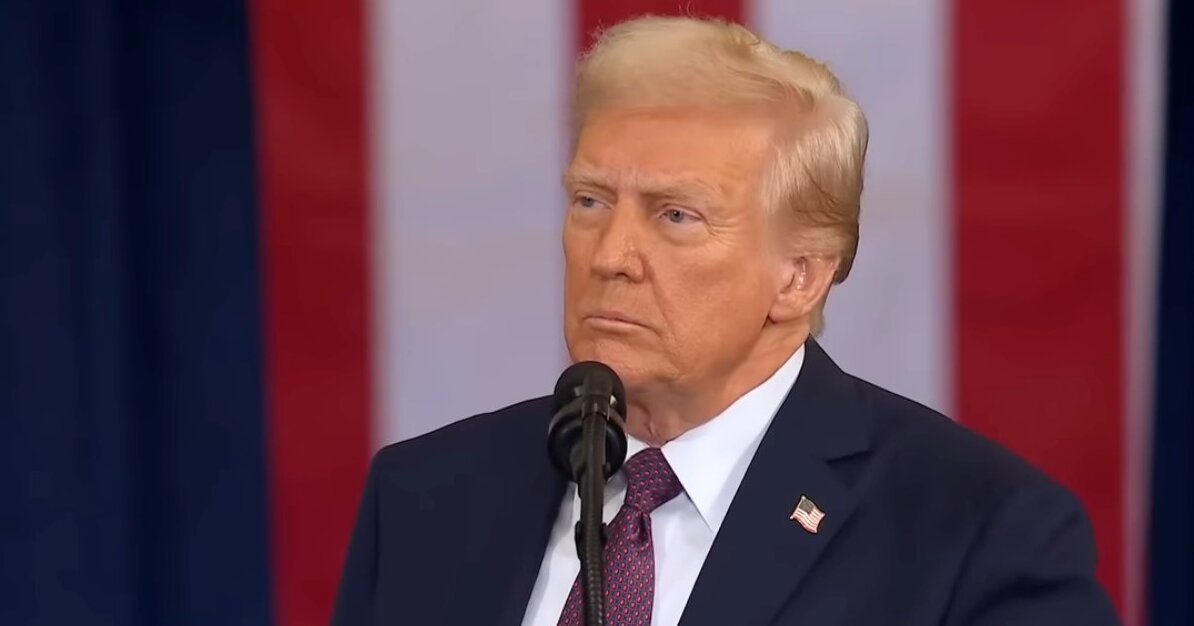
For Trump, growing pressure at home and abroad continues to test his ability to control the political narrative. His foreign policy decisions, economic battles and fights inside the Republican Party have kept him at the center of American politics, but they have also created new risks.
TRENDING TODAY

Even among supporters, questions are growing over war fatigue, rising costs, international commitments and whether America should continue carrying the burden of conflicts overseas.
Netanyahu is also facing a difficult moment. Israel remains under enormous pressure over the war in Gaza, hostage negotiations, security failures and international criticism. While he has survived many political crises before, the public mood inside Israel remains tense and uncertain.
Many Israelis continue demanding accountability for the failures surrounding the Oct. 7 attacks, while others are frustrated by the lack of a clear long-term path toward peace and security.
Putin, meanwhile, continues projecting strength, but Russia’s war in Ukraine has exposed deep military, economic and diplomatic weaknesses. Years of conflict have strained Russia’s resources, isolated the country from much of the West and forced Moscow into a more dependent relationship with China and other limited partners.
None of this means these leaders are finished politically. Trump remains highly influential in the United States, Netanyahu remains a survivor in Israeli politics, and Putin still controls Russia’s political system.
But power can weaken gradually before it breaks visibly.
The common thread is that all three leaders are now facing the consequences of prolonged conflict, public exhaustion and growing demands for stability.
Around the world, voters and citizens appear increasingly tired of endless crisis politics. Many people want safer streets, lower prices, less war and leaders who focus more on rebuilding than escalating.
That does not mean a peaceful future is guaranteed. The world remains dangerous, and political change often creates new uncertainty before it creates progress.
Still, there is reason to believe that the era of leaders gaining strength from permanent crisis may be facing limits.
Hope may not be obvious yet, but it is beginning to appear on the horizon.