

Israel and Lebanon have agreed to extend their U.S.-brokered ceasefire agreement for an additional 45 days following recent negotiations held in Washington, D.C., according to the U.S. State Department.
The ceasefire, which originally went into effect on April 16, will remain active after officials described the latest discussions between both sides as productive.
The U.S. State Department confirmed Thursday that talks between Israeli and Lebanese representatives lasted two days and focused on maintaining stability along the shared border while preparing for future peace negotiations.
State Department spokesperson Tommy Pigott said American officials hope the discussions will eventually lead to a more permanent peace agreement between the neighboring countries.
TRENDING TODAY


“We hope these talks help advance long-term peace, mutual recognition of sovereignty and stronger security along the border,” Pigott said in a statement.
Officials said formal peace negotiations are expected to resume on June 2 while the United States continues monitoring developments between the two sides over the coming weeks.
Israel’s ambassador to the United States, Yechiel Leiter, also commented on the negotiations Friday, describing the meetings as direct but constructive.
“The talks were honest and productive,” Leiter said in a statement shared online. “The next phase will focus on both security and political discussions.”
Leiter acknowledged there could still be setbacks during negotiations but expressed optimism about the possibility of reaching broader agreements moving forward.
“What remains most important throughout this process is protecting our citizens and soldiers,” he added.
The latest discussions marked the third round of negotiations since Israel significantly increased military activity near its northern border earlier this year after Hezbollah launched missiles into Israeli territory on March 2.
Hezbollah, which is backed by Iran and designated as a terrorist organization by the United States and several Western nations, has remained at the center of growing regional tensions involving Lebanon, Israel and Iran.
The escalation came shortly after the United States and Israel launched Operation Epic Fury against targets connected to Iran, an operation that reportedly killed several senior Iranian officials, including Iranian Supreme Leader Ali Khamenei.
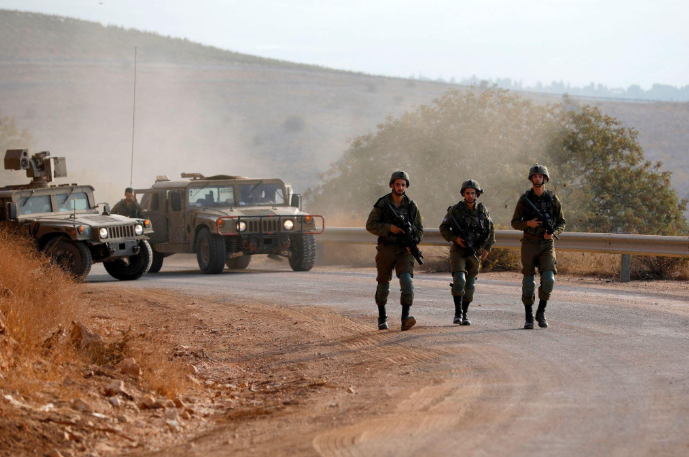
Despite the ceasefire extension, tensions along the Israel-Lebanon border remain fragile.
On Friday, the Israel Defense Forces claimed several hostile aircraft launched from Lebanon entered Israeli airspace in violation of the ceasefire agreement.
According to the IDF, two aircraft were intercepted before landing in open areas.
Israeli officials accused Hezbollah of violating the ceasefire understandings through the incident and warned security forces remain prepared to respond to future threats if necessary.
While both countries continue diplomatic discussions, military activity and regional instability continue raising concerns about whether the ceasefire can hold long term.





