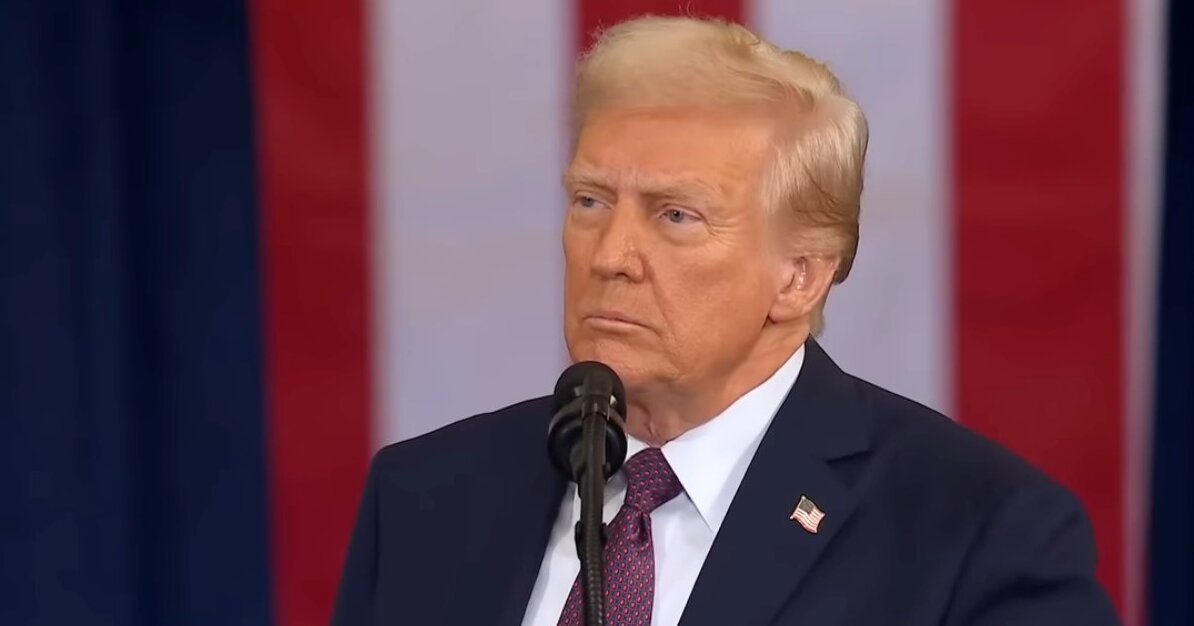
President Donald Trump has signed an executive order moving about 8,000 senior federal positions into a new employment category that makes it easier for the administration to remove workers who help shape government policy.
The order places the roles into a classification known as “Schedule Policy/Career,” a new version of the controversial Schedule F idea from Trump’s first term. The administration says the change is meant to increase accountability among senior career employees who influence policy and must carry out the president’s lawful agenda.
The White House said the reclassified positions will remain career jobs and that competitive hiring status and nonpartisan hiring rules will not change. It also said removal decisions will be made without regard to political affiliation.
But critics argue the order could weaken civil service protections that were created to prevent presidents from replacing government experts with political loyalists. They say the change risks reviving a modern version of the spoils system, where federal jobs are tied more closely to loyalty than professional competence.
TRENDING TODAY

The order affects a much smaller group than some earlier estimates. The Office of Personnel Management had previously suggested that up to 50,000 federal employees could eventually fall under the new category. For now, the order applies to about 8,000 workers, many in senior policy, management, budget, legal, health, defense and homeland security roles.
According to Lawfare’s review of the order’s appendix, the reclassification covers more than 4,800 positions across 54 major agencies, with many roles concentrated in the departments of Defense, Homeland Security, Health and Human Services, Treasury and Commerce. Lawfare also reported that some scientific and public health positions appear on the list, including roles at the Centers for Disease Control and Prevention.
Supporters of the move say federal employees in powerful policy roles should be accountable to the elected president. James Sherk, a domestic policy official who helped shape the order, argued that it has long been too difficult to remove federal employees even in cases involving poor performance or misconduct.
The administration says the change will allow senior officials to act more decisively when career employees resist lawful policy direction. Trump and his allies have repeatedly argued that parts of the permanent bureaucracy slowed or undermined his agenda during his first term.
Opponents see the order very differently. Groups representing federal workers and good-government advocates say the move could pressure career employees to prioritize political loyalty over objective advice. The Partnership for Public Service warned that the change could harm the merit-based civil service system and make loyalty to the president more important than service to the public.
Legal challenges are expected to continue. Federal employee unions and watchdog groups have already challenged the broader Schedule Policy/Career effort in court. Reuters reported that lawsuits over the policy were filed before the order was finalized, though some proceedings had been paused while the administration completed the details.
The order also comes after earlier Trump administration workforce actions faced court setbacks. Judges have already intervened in some federal firing disputes, and the new reclassification is likely to face close legal scrutiny over whether the affected positions truly meet the standard for policy-influencing roles.
For the administration, the order is part of a broader campaign to reshape the federal workforce and reduce what Trump calls bureaucratic resistance. For critics, it is one of the most significant threats to civil service independence in decades.
The practical impact will depend on what happens next. If the administration begins dismissing reclassified employees quickly, the controversy will intensify. If agencies proceed slowly because of litigation, the order may become a longer legal and political battle over presidential control of the federal bureaucracy.
Either way, the move marks a major step in Trump’s effort to expand White House control over the career government workforce.
Why It Matters
The order matters because it changes the balance between presidential control and civil service independence. Supporters say elected presidents need policy staff who will carry out lawful directives. Critics say career protections are essential to prevent political retaliation and protect expert government work.
It also matters because the affected workers may influence major federal decisions on health, defense, homeland security, budgets, regulation and agency operations.
What Comes Next
Agencies are expected to begin transferring affected positions into Schedule Policy/Career under the order.
Federal unions and watchdog groups are likely to continue legal challenges, and courts may decide whether the administration has the authority to remove these protections from thousands of career roles.