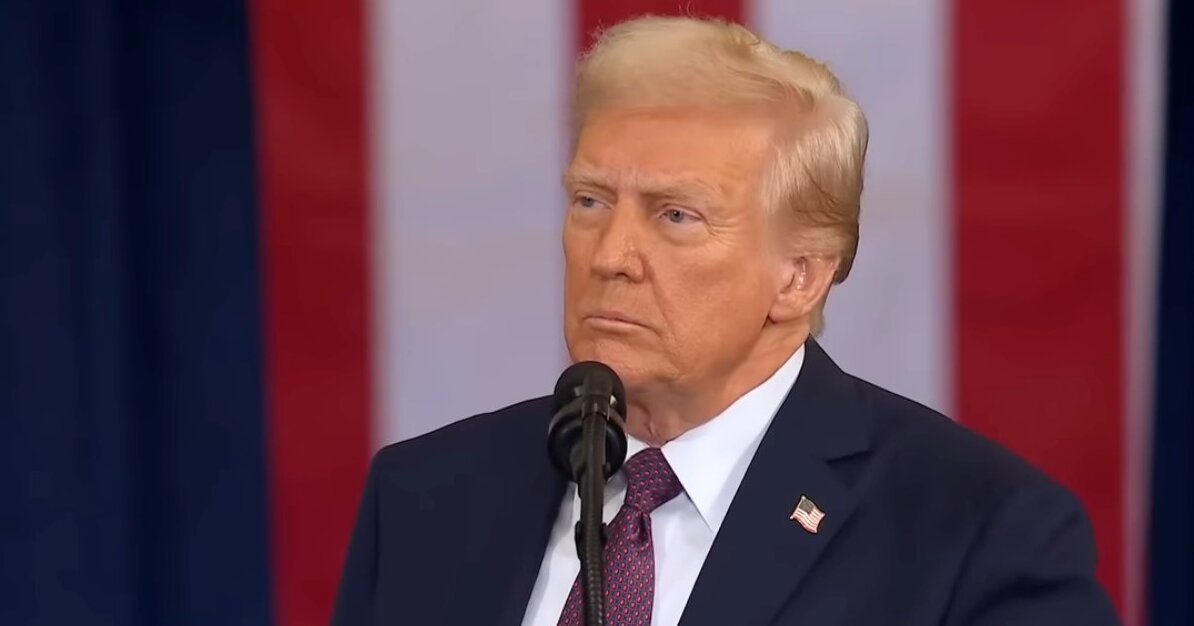
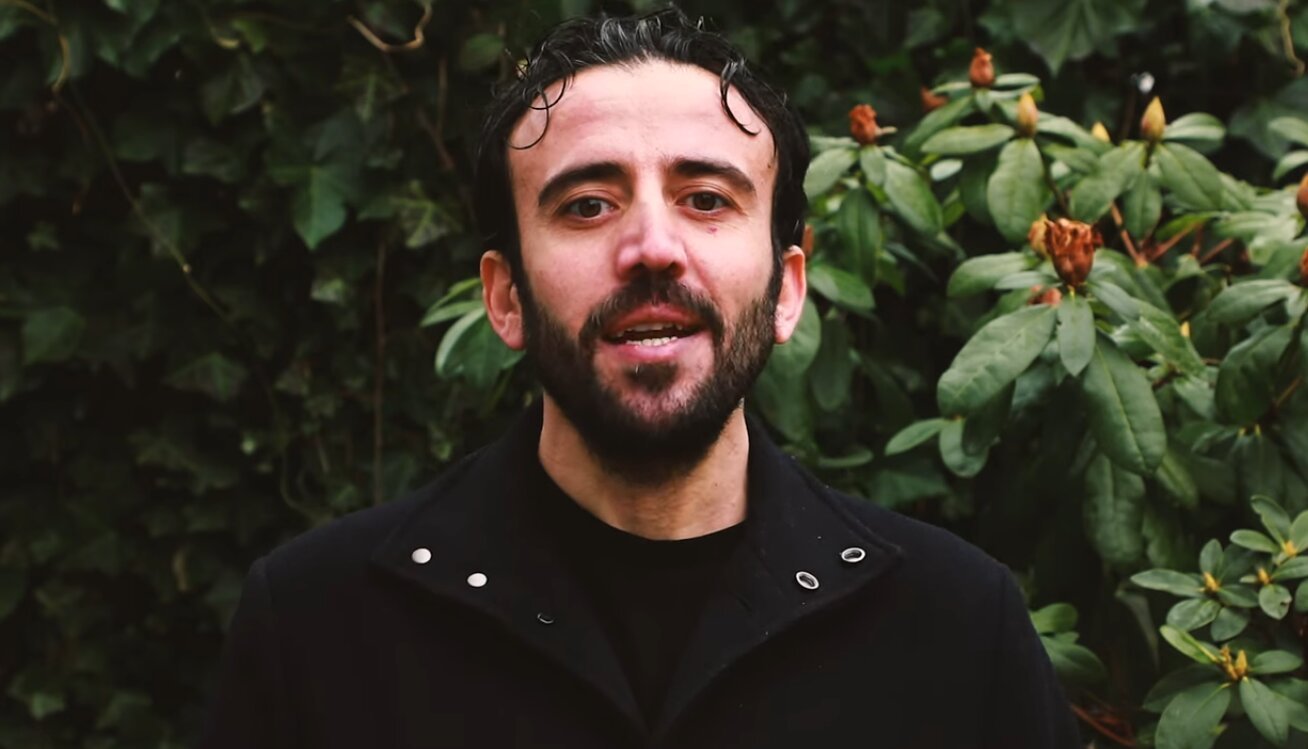
Actor and longtime human rights activist Richard Gere delivered a sharp political warning during an appearance at the Oslo Freedom Forum in Norway, saying the United States is experiencing what he described as one of the darkest periods of his lifetime.
Speaking at the human rights event, Gere criticized President Donald Trump and argued that Americans had become too passive in the face of political change. His remarks were part of a broader discussion about democracy, civic responsibility, and the risks of ignoring warning signs when political institutions are under pressure.
Gere, best known for films such as “Pretty Woman” and “American Gigolo,” has also spent decades involved in human rights advocacy, particularly around Tibet and support for the Dalai Lama. At the Oslo event, he used his platform to speak not only as an actor, but as a political and humanitarian voice concerned about the direction of the United States.
According to reports, Gere said the country is living through the “darkest moment” he has experienced and blamed part of the situation on public complacency. He argued that many people failed to pay attention, failed to vote, or failed to engage seriously with those around them before the election. While he said he did not vote for Trump, he also said he believed he personally had not done enough to persuade others that electing him was dangerous.
TRENDING TODAY
The actor’s comments quickly drew attention because of their unusually blunt tone. Gere reportedly called Trump a “maniac” and accused him of dismantling many of the institutions and values that he believes made the United States strong. The remarks were delivered at the Oslo Freedom Forum, an event focused on human rights, authoritarianism, and democratic freedom.
Gere also reflected on a recent visit to Dachau, the former Nazi concentration camp in Germany. He used that experience as a warning about how quickly societies can change when citizens ignore political warning signs. His broader message was that democratic systems can weaken faster than people expect if voters become comfortable, distracted, or unwilling to confront what they see happening around them.
His comments were not simply aimed at Trump. Gere also directed part of his criticism toward Americans who, in his view, allowed the current political moment to happen by becoming disengaged. He suggested that people cannot rely on the idea that democratic institutions will automatically correct themselves without active participation from citizens.
The remarks fit into a larger pattern of public criticism Gere has made about Trump and American politics. In previous interviews and public appearances, he has warned that the United States was heading in the wrong direction and said Americans should choose leaders who reflect a more compassionate and constructive vision for society. Reports also note that Gere has used international appearances to criticize what he sees as crude or divisive political leadership.
Gere and his wife, Alejandra Silva, moved to Spain in late 2024, though Silva has said the move was not intended to be permanent. She has described the family as traveling back and forth between Spain and the United States. Gere has said the move allowed his wife to be closer to her family and culture, after spending years living in his world.
The actor’s comments are likely to be welcomed by Trump critics who see his second term as a threat to democratic norms. However, Trump supporters are likely to dismiss Gere’s remarks as another example of Hollywood figures attacking a president they oppose. That divide shows how celebrity political commentary can become part of the broader national argument, especially when the comments are emotionally charged and made on an international stage.
For Democrats and anti-Trump activists, Gere’s speech may serve as a reminder that political engagement cannot be limited to election season. His central argument was that voters must stay alert, speak to people around them, and resist the temptation to treat politics as something distant from daily life.
At the same time, the comments also raise a familiar question: how much influence celebrity political statements actually have. While famous actors can draw attention to political issues, they can also risk deepening partisan divisions if their message is seen as moral condemnation rather than persuasion.
Gere’s warning in Oslo was emotional, direct, and highly critical of Trump. But its broader theme was about civic responsibility. His message was that democracies depend not only on institutions, laws, and elections, but also on citizens who remain active before a crisis becomes impossible to ignore.
Why It Matters
Gere’s comments matter because they reflect a broader concern among Trump critics that American democracy is under serious strain. His remarks also show how international forums are being used by U.S. cultural figures to comment on domestic politics.
The story also highlights the role of celebrity activism in American political debate. Gere’s criticism may energize voters who already agree with him, but it may also be rejected by Trump supporters as partisan Hollywood commentary.
What Comes Next
Gere’s remarks are likely to continue circulating on social media, especially among critics of Trump and accounts focused on celebrity politics. Conservative commentators may also use the speech to argue that Hollywood remains disconnected from many American voters.
If you use this story, the safest angle is to frame it as Gere’s opinion and warning, not as a factual judgment about the country. Use phrases like “Gere argued,” “he warned,” and “critics of Trump have expressed similar concerns.”
🚨 NEW: Fox’s @GregGutfeld SLAMS actor Richard Gere for saying America is in its “darkest moment” under Trump: “There’s something about TDS that exposes a fault you don’t like about you: I would diagnose that as envy and competitiveness. He thinks he could be a better president!… pic.twitter.com/owm8T3EPUV
— TV News Now (@TVNewsNow) June 5, 2026