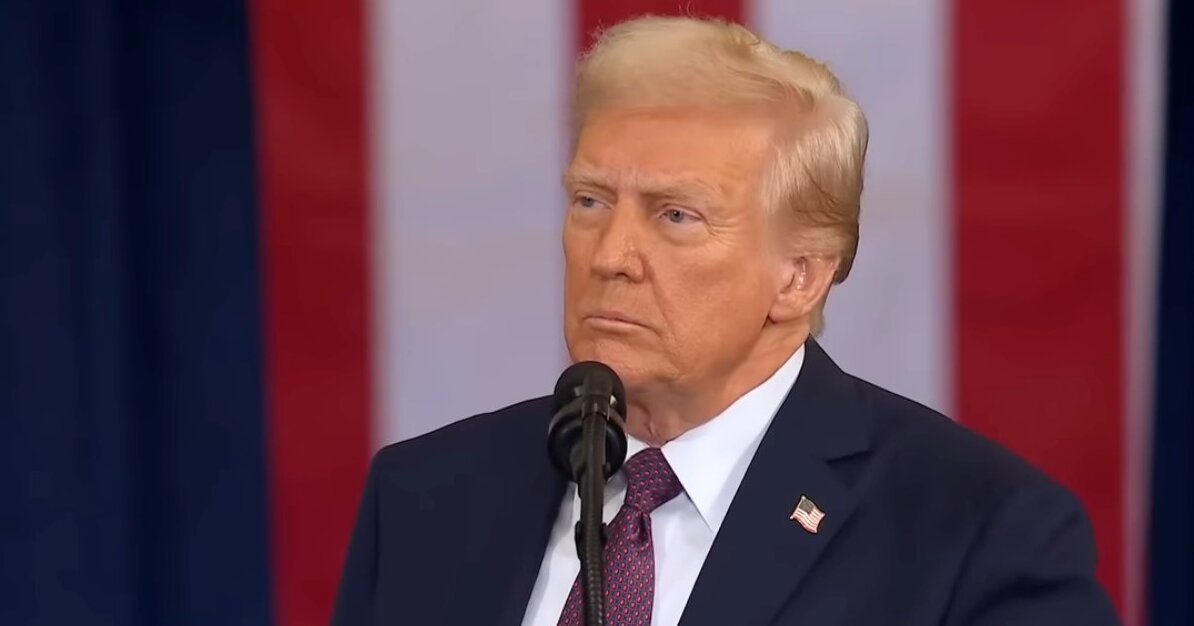
President Donald Trump is signaling that he wants a major shake-up inside the U.S. intelligence community, reportedly telling incoming Acting Director of National Intelligence Bill Pulte to begin the process of reducing staff across the agencies overseen by the DNI.
According to a Wall Street Journal report cited by Reuters, Trump said he believes the intelligence community has become too large and that “a lot of people” inside it should not be there. The comments add new pressure to an already controversial leadership change at the Office of the Director of National Intelligence, which coordinates work across 18 U.S. intelligence agencies.
Pulte, currently serving as director of the Federal Housing Finance Agency, was selected by Trump to take over as acting DNI after Tulsi Gabbard’s resignation becomes effective on June 30. Trump has described the role as temporary while his administration searches for a permanent replacement.
The appointment has drawn scrutiny because Pulte’s background is mainly in housing, finance, and government-sponsored mortgage entities rather than national security or intelligence. Supporters of the move argue that his outsider status could help Trump reform an intelligence bureaucracy that the president and his allies have long criticized. Critics argue that the nation’s top intelligence role should be led by someone with deep experience in intelligence, defense, or national security.
TRENDING TODAY

Trump reportedly framed Pulte’s temporary status as an advantage, suggesting that an acting official may be less constrained and could do difficult restructuring work before a permanent nominee takes over. He also said he would like to see the intelligence operation become smaller.
The possible downsizing comes at a sensitive moment for U.S. intelligence agencies. The DNI plays a central role in coordinating information between agencies such as the CIA, NSA, FBI, and others. Any large-scale staffing cuts could affect intelligence collection, analysis, counterterrorism work, cybersecurity, and foreign-threat monitoring.
Lawmakers from both parties have expressed concern about the direction of the office. Some Republicans have warned against politicizing intelligence, while Democrats have raised questions about whether Pulte’s appointment could affect congressional support for intelligence-related legislation.
One major issue is the future of surveillance authorities under the Foreign Intelligence Surveillance Act. According to reports, Democratic Sen. Mark Warner warned that support for reauthorizing key surveillance powers could become harder if lawmakers believe the intelligence community is being placed under politically motivated leadership.
Trump and his allies, however, have argued for years that the intelligence community needs reform. The president has repeatedly accused parts of the national security establishment of being bloated, resistant to change, or politically biased. His latest comments suggest that he wants Pulte to act quickly rather than simply serve as a caretaker.
The White House has presented Pulte as a trusted manager who can oversee sensitive government matters. But opponents are likely to focus on whether someone with no major intelligence background should be tasked with reshaping agencies responsible for some of the country’s most classified and high-stakes work.
The controversy is also likely to create pressure around any permanent DNI nominee. If Pulte makes major personnel changes before a nominee is selected, that person could inherit a significantly altered intelligence structure. Supporters may see that as overdue reform. Critics may see it as a risky purge inside institutions that are supposed to provide nonpartisan intelligence to the president and Congress.
For now, the administration appears to be moving forward with the temporary appointment and a broader push to reduce the size of the intelligence apparatus. Whether that effort becomes a limited restructuring or a larger confrontation with lawmakers and intelligence officials will depend on what steps Pulte takes after assuming the acting role.
Why It Matters
The director of national intelligence helps coordinate the work of America’s intelligence agencies. A major reduction in staff or leadership shake-up could affect how the U.S. tracks foreign threats, terrorism, cyberattacks, and national security risks.
The story also matters politically because Trump’s critics fear the intelligence community could become more politicized, while his supporters argue that the agencies need accountability and reform.
What Comes Next
Pulte is expected to take over as acting DNI after Gabbard’s resignation becomes effective on June 30. Lawmakers will likely watch closely to see whether he begins major firings or restructuring.
The next major fight could come in Congress, especially around intelligence oversight and surveillance authorities. If Trump nominates a permanent DNI, that person would face Senate confirmation and tough questions about Pulte’s actions.
Q: “You’re naming Bill Pulte as the Acting Director of National Intelligence —why do you think, Mr. President, that he’s the best person for the job?”
TRUMP: “He’s a person who has high integrity, it’s an acting position, he’s not going to be permanent.” pic.twitter.com/nUGaj2gOS5
— Breaking911 (@Breaking911) June 4, 2026